Table of contentsShowHide
- 1.Why recorded lectures suit students with limited time
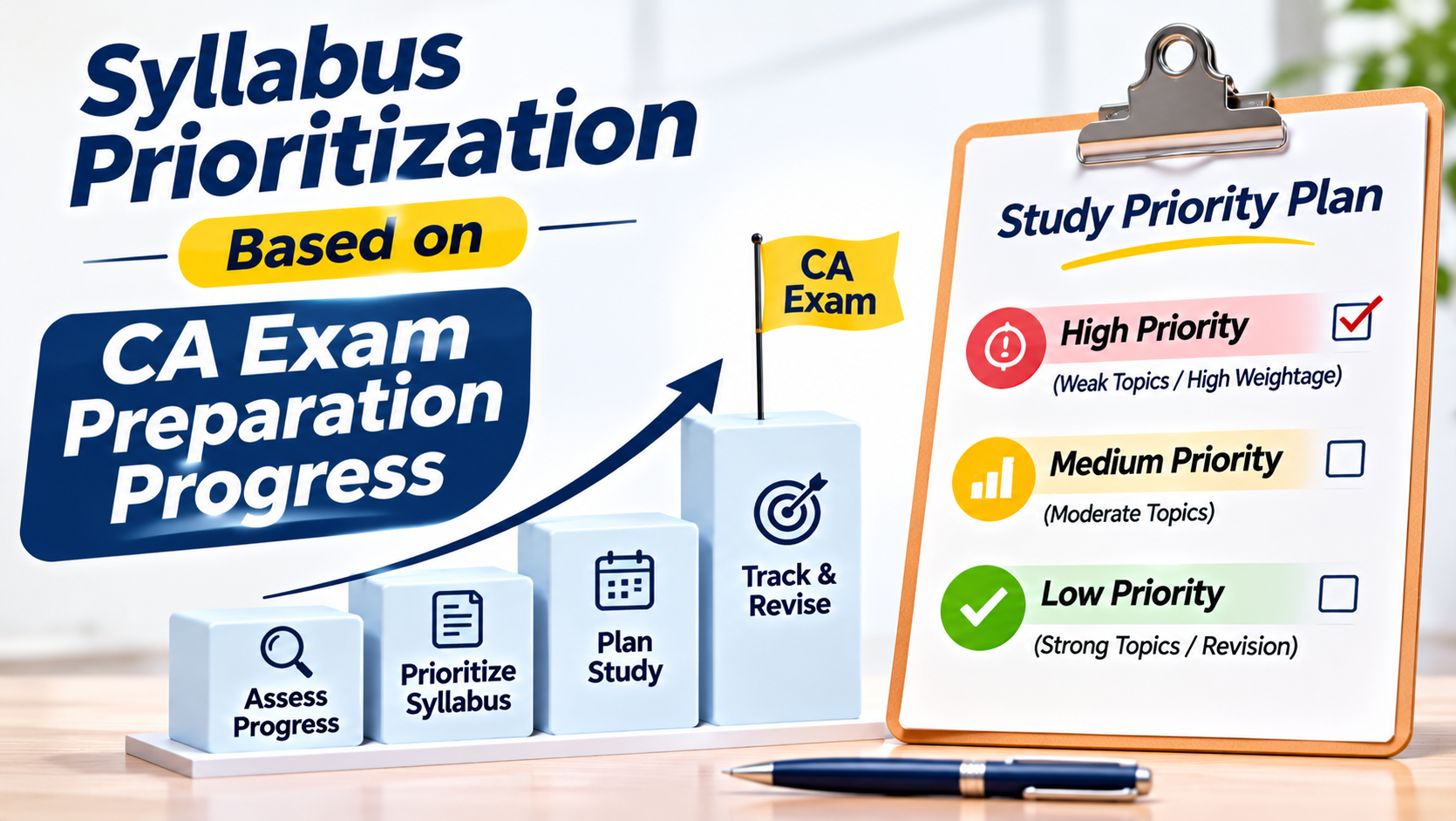
- 2.Set priorities before opening a lecture
- 3.Plan lecture time around available hours
- 4.Watch actively instead of passively
- 5.Take concise notes from recordings
- 6.Control lecture backlogs
- 7.Use playback speed carefully
- 8.Pair every lecture with revision and practice
- 9.Create a realistic routine for working students
- 10.Measure progress through tests, not video completion
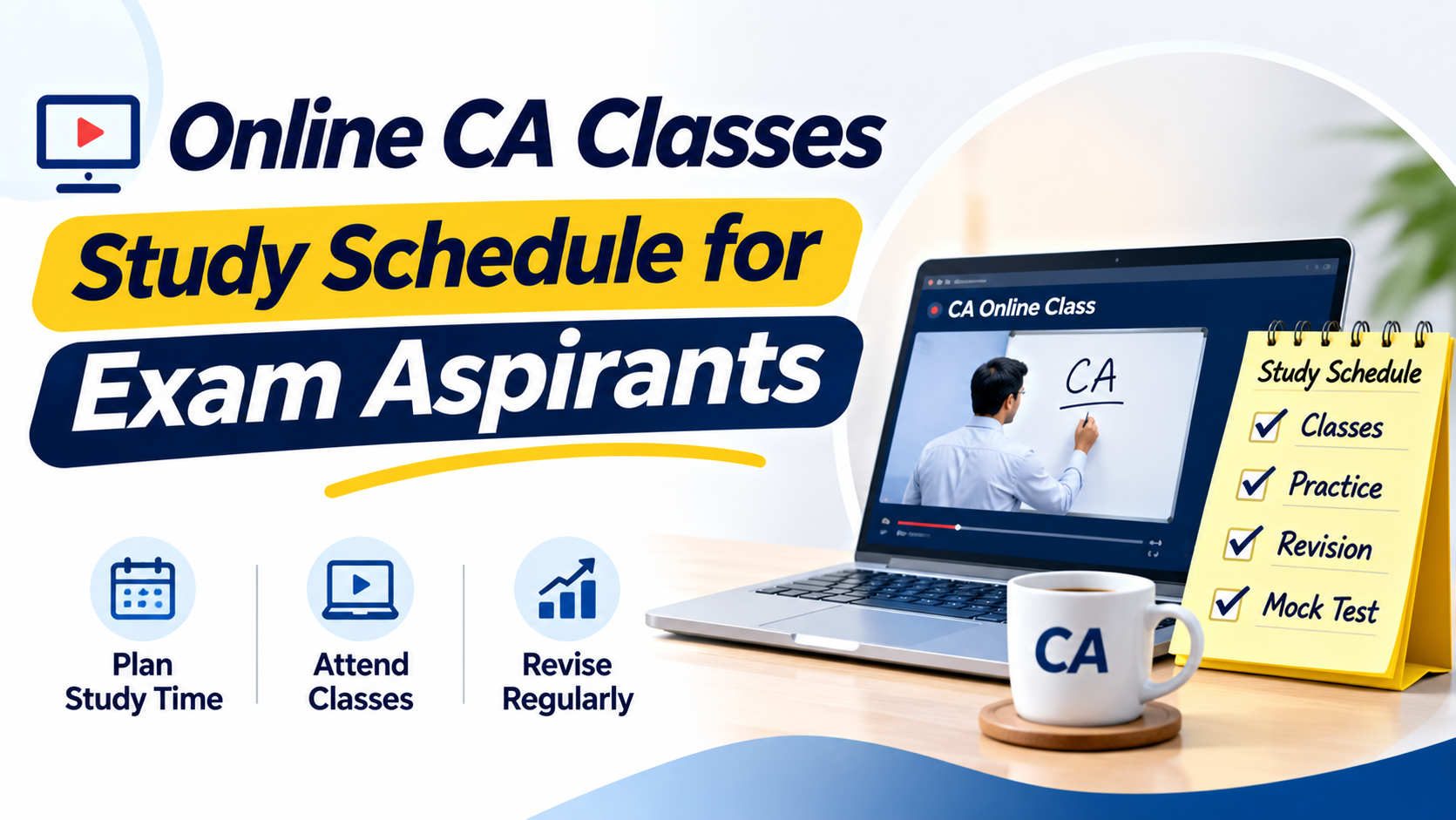
Recorded CA lectures can help students balancing exam preparation with college, employment, family responsibilities or other commitments. They allow lessons to be watched at a suitable time and make it possible to revisit difficult explanations. At the same time, an unplanned lecture backlog can consume hours needed for revision and question practice.
The key is to use recordings with a clear learning objective. This guide explains how to plan lecture viewing, take useful notes, control backlogs and make sure recorded classes support actual exam preparation.
Why recorded lectures suit students with limited time
Recorded lessons provide flexibility when students cannot attend fixed classes. A missed explanation can be replayed, and a difficult concept can be reviewed without waiting for another session. Students can organise learning around work shifts, college schedules and other commitments.
Flexibility is useful only when used deliberately. If every lecture can be postponed, the backlog may become difficult to manage. Set specific viewing slots and decide what you must complete each week.
Set priorities before opening a lecture
Identify the chapter, learning outcome and examination relevance before watching. Check syllabus coverage and your current understanding. If the topic is unfamiliar or forms the basis for later chapters, give it sufficient time. A familiar topic may need only targeted revision.
Create a short list of questions you expect the lecture to answer. This gives viewing a purpose and helps you notice important explanations. Avoid opening videos simply because they appear next in a playlist when another task is more urgent.
Plan lecture time around available hours
Calculate the time you can realistically devote to lectures during a normal week. Separate that time from revision and question practice. Do not schedule recordings for every free minute; you need time to process information and manage unexpected commitments.
Use shorter viewing blocks when concentration drops. Take a brief break and note where you stopped. Divide a lengthy recording into sections with clear goals rather than trying to finish everything in one sitting.
| Preparation factor | What to focus on |
|---|---|
| Planning | Set realistic daily and weekly targets. |
| Concepts | Understand the reason behind each method or rule. |
| Revision | Revisit completed topics at planned intervals. |
| Practice | Solve questions under suitable time limits. |
| Assessment | Analyse mistakes and take corrective action. |
Watch actively instead of passively
Keep the relevant study material nearby and follow the explanation. Pause when a step is unclear, write down the question and try to understand the reasoning. For practical topics, solve the example yourself before watching the complete solution where possible.
Do not confuse familiarity with mastery. A solution may look obvious while the teacher explains it, but that does not mean you can reproduce it independently. After the lecture, close the video and recall the main steps in your own words.
Take concise notes from recordings
Record information that helps revision: key concepts, important steps, adjustments, provisions, examples and doubts. Avoid copying every sentence spoken by the teacher. Notes should make later revision faster, not become another textbook that takes hours to complete.
Use a consistent chapter format. Keep definitions, formulas, illustrations and mistakes separate. Add references to the main study material where useful, and update notes after solving questions so they reflect what you need to remember.
Control lecture backlogs
List pending recordings by subject, chapter and estimated duration. Mark each as essential, revision support or optional reinforcement. Complete essential syllabus lessons first, but do not let the list become a reason to avoid question practice.
Set a weekly backlog target that fits available time. If new recordings arrive faster than you can complete them, reassess which lessons are necessary. Do not repeatedly sacrifice sleep or all revision time to keep up with every video.
Use playback speed carefully
Faster playback may help with familiar explanations or revision, while difficult concepts may require a normal pace. Pause and replay sections when the reasoning, calculation or interpretation is unclear.
Choose the pace based on comprehension, not on how quickly you want to finish a playlist. The useful measure is whether you can explain the concept and solve a fresh question afterwards.
Pair every lecture with revision and practice
After each recording, schedule a short review and solve related questions. This identifies gaps while the explanation is fresh. If you cannot solve the questions, revisit the exact concept rather than automatically replaying the entire lecture.
Return to the topic after a few days and test recall without opening the recording. Attempt new problems for practical subjects and write short answers for theory. Active practice makes lecture time more valuable.
Create a realistic routine for working students
Working students may need early mornings, selected evenings or weekend blocks. Place demanding lessons in periods when you are alert and reserve lighter revision for lower-energy periods. Keep a weekly buffer for unexpected work demands.
Set a minimum routine that can be maintained during busy weeks. A consistent modest plan is more useful than an ambitious timetable that repeatedly collapses. Include rest as part of the routine.
Measure progress through tests, not video completion
Track chapters understood, questions solved, revision completed and test performance. The number of recordings watched is only an input measure. If video completion is high but independent question-solving remains weak, increase active practice.
CA Exams Test Series can support assessment with timed practice and performance review. Attempt tests after suitable syllabus coverage, analyse errors and use the findings to decide which lecture sections genuinely need another look.
Frequently Asked Questions
Are recorded CA lectures effective for exam preparation?
They can be effective when students watch actively, revise the lesson and solve questions afterwards. Recorded classes are a resource, not a replacement for independent practice.
How many recorded lectures should I watch in a day?
Choose an amount that leaves enough time to understand the lesson, revise and practise questions. It depends on lecture length, topic difficulty and available hours.
How can I manage recorded CA classes with a full-time job?
Plan fixed study blocks around work and use weekends for selected longer tasks. Keep the workload realistic and maintain time for revision, practice and rest.
Should I make notes while watching recorded lectures?
Make concise notes of key explanations, formulas, provisions, examples and doubts. Avoid transcribing the entire lecture, as this takes time away from practice.
Is it okay to watch CA lectures at faster speed?
Faster playback may help with familiar content if comprehension remains strong. Use a normal pace for difficult concepts and replay explanations that are unclear.
What should I do if I have a large lecture backlog?
List pending lessons, prioritise essential syllabus topics and set a realistic weekly target. Protect time for revision and practice instead of spending every hour clearing videos.
Can I skip parts of a recorded CA lecture?
Skip material only when you are confident it is not needed for your syllabus or learning objective. Avoid skipping foundational explanations that support later topics.
How soon should I revise after watching a recording?
Review soon after the lecture, then revisit after a few days. Use recall and fresh questions to check whether the concept can be applied independently.
Are recorded lectures enough to clear CA exams?
No. Students also need syllabus-based study, repeated revision, question-solving, mock tests and analysis of mistakes.
How can CA Exams Test Series complement recorded lectures?
A test series adds timed examination practice and feedback. Use results to identify topics needing further revision or a targeted replay of a lecture section.